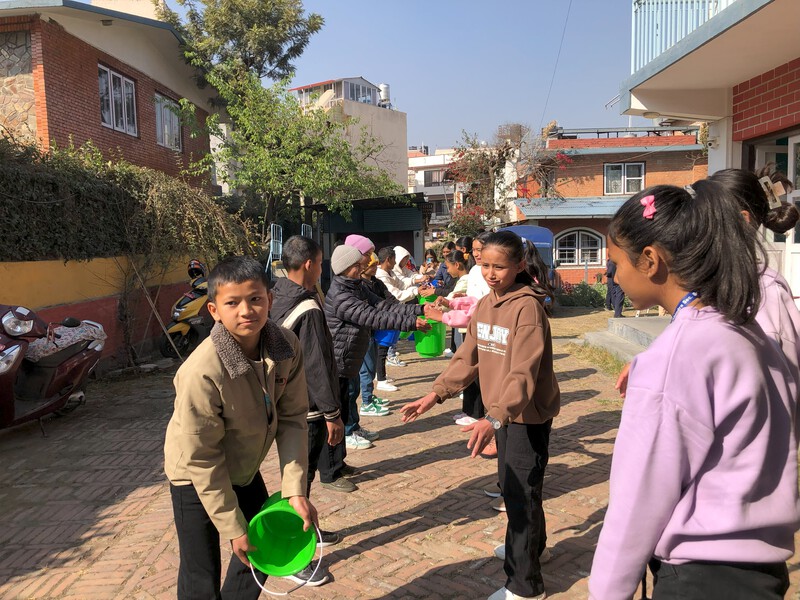
In an inspiring effort to prepare the next generation for disaster preparedness, children from Prabina Foundation in Kathmandu recently visited the Mitra Disaster Risk Reduction Learning Center (MDRRLC). This visit was an important part of their journey to learn how to stay safe and respond effectively in the event of a disaster. With a mix of practical skills and interactive activities, the children were introduced to essential life-saving techniques that could one day make a difference in an emergency situation.
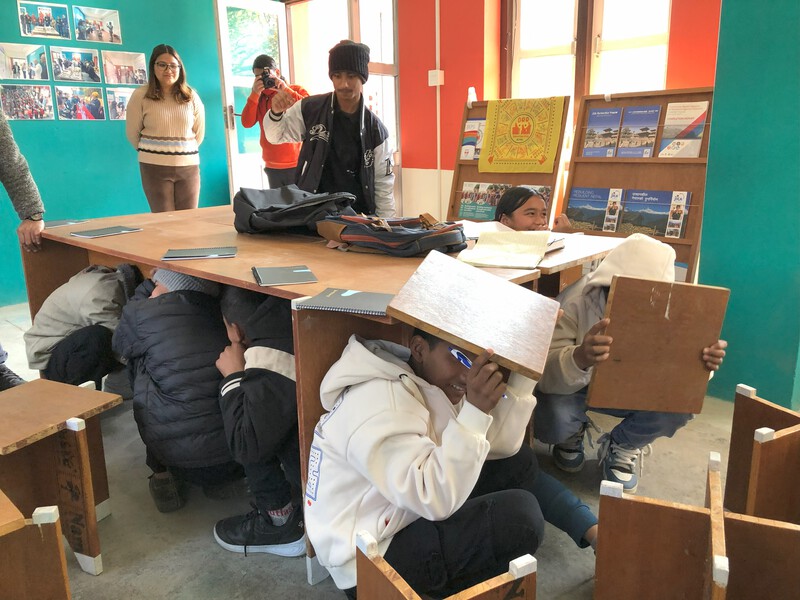
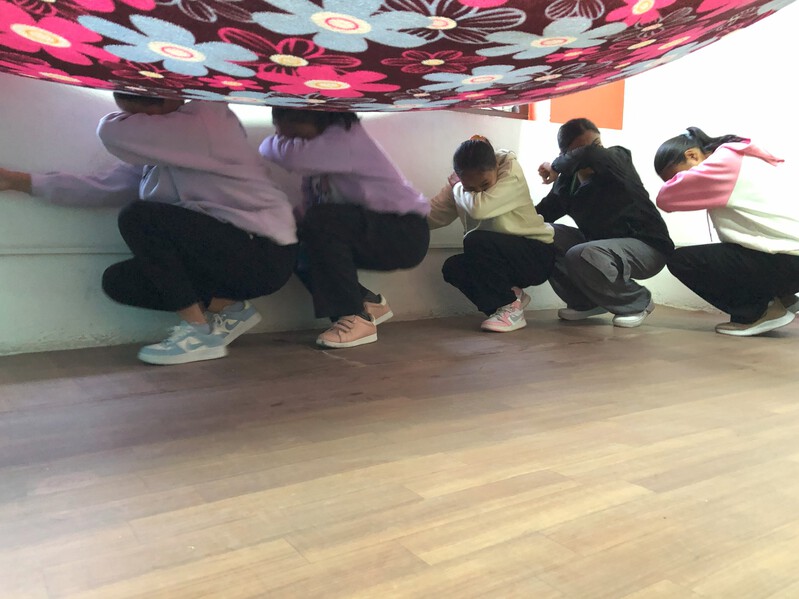
The day began with an exciting and educational overview of how earthquakes occur and the importance of being prepared. The children learned about the earthquake mechanism in a fun, easy-to-understand way, helping them grasp the science behind these natural disasters. They also participated in an earthquake drill, practicing how to take cover and protect themselves when tremors hit.
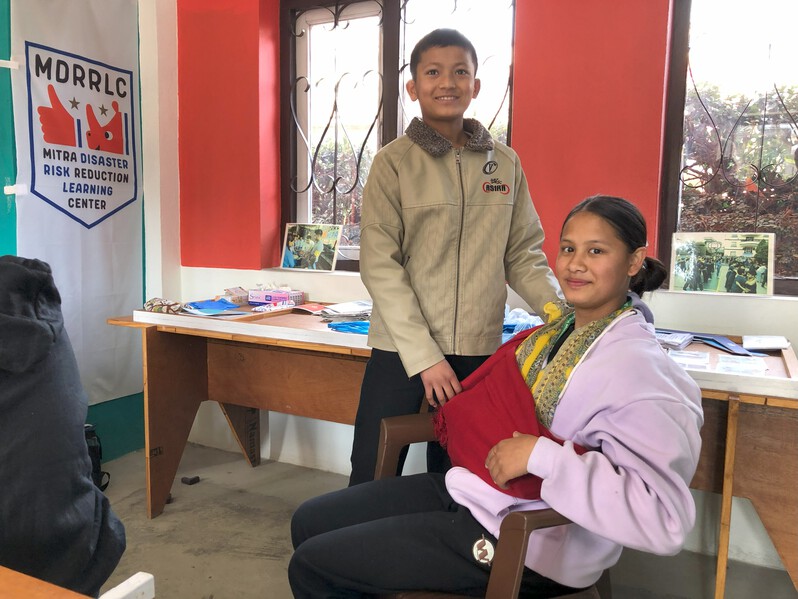
In addition to earthquake preparedness, the children gained valuable knowledge on fire safety, including how to handle situations when smoke fills the room and how to safely exit in an emergency. They were shown how to use a blanket sheet stretcher properly—a vital skill for helping those who are injured or unable to move during a disaster. The hands-on approach continued with first aid training for handling bleeding and fractures, giving the children the confidence to assist others in the aftermath of an emergency.
The day ended on a creative note with a fun paper craft activity that helped reinforce the lessons they had learned, providing a chance for the children to reflect on the importance of disaster preparedness in a lighthearted way.
This visit to the MDRRLC was not just about learning practical skills but also about empowering these young minds to become active contributors to their community’s safety. With the knowledge gained, the children are better equipped to respond to disasters—whether at home, in school, or in the wider community. Through this experience, the Prabina Foundation children have taken an important step toward becoming the future heroes of disaster risk reduction, ready to act when it matters most.